
Innovation
This article examines India’s strategic shift toward building a sovereign innovation ecosystem. It also highlights the fiscal and regulatory challenges that need to be addressed to transform India into a global knowledge-based economy by 2026.
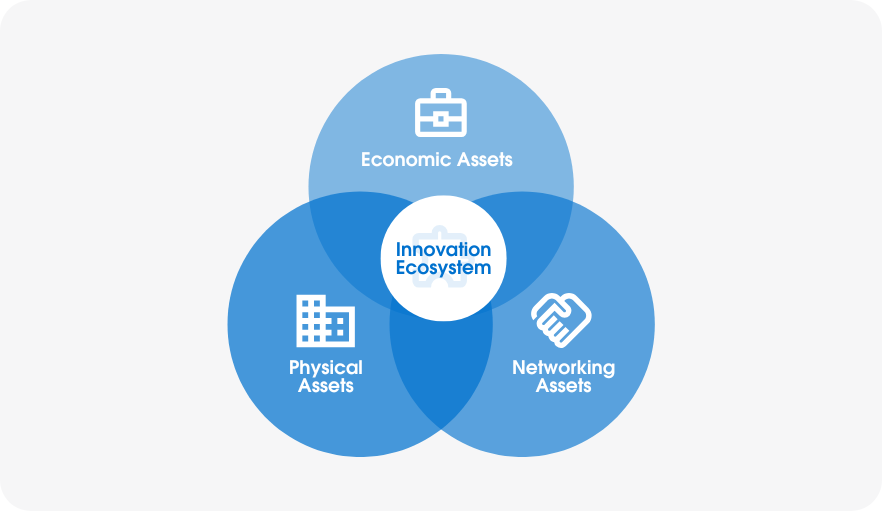
India’s innovation ecosystem is moving into a critical stage, built on strong scale and robust digital public infrastructure. Aadhaar now reaches over 1.4 billion people, while UPI handles more than 20 billion transactions each month. With over 2 lakh recognized startups—almost half originating from Tier II and Tier III city’s innovation is becoming more geographically widespread and inclusive. India has emerged as the world’s third-largest startup ecosystem, with growing momentum in deep-tech areas such as AI, quantum computing, and biotechnology. Supported by initiatives like Bharat Innovates and the ₹10,000 crore Fund of Funds, the country is steadily positioning itself as a global center for scalable, self-reliant, and inclusive innovation.
How is India Making Strides Towards Becoming a Robust Innovation Ecosystem?
Sovereign Deep-Tech and AI Ecosystem:
India is rapidly advancing a sovereign and human-centric AI ecosystem by aligning institutional funding with domestic technological capabilities. This growing collaboration between the public and private sectors is not only accelerating deep-tech adoption across key socio-economic domains but also addressing risks like algorithmic bias. A major boost came with the ₹1 lakh crore Research, Development, and Innovation (RDI) Fund launched in 2026, which aims to support early-stage deep-tech ventures. Startups such as Sarvam AI are contributing significantly to indigenous AI development, with estimates suggesting AI could generate up to $1.7 trillion in economic value for India by 2035.
Strategic Bilateral Innovation Diplomacy:
India’s global engagement strategy is evolving from traditional defense partnerships to co-creating advanced technologies with key international players. This transition is turning bilateral ties into innovation-focused collaborations that channel foreign investment into domestic ecosystems. The declaration of 2026 as the India-France Year of Innovation under the Bharat Innovates platform reflects this shift. The initiative aims to connect Indian deep-tech startups with European venture capital and research institutions, strengthening global innovation linkages.
Semiconductor Supply Chain Indigenization:
To reduce dependency on global supply chains and enhance technological sovereignty, India is actively building its semiconductor manufacturing capacity. The India Semiconductor Mission (ISM) 2.0, announced in the 2026–27 Budget, allocates dedicated funding for equipment manufacturing and domestic IP development. With several semiconductor plants, including a newly operational ATMP facility in Gujarat, nearing commercial production, India is gradually transitioning into a more hardware-resilient economy.
Climate-Resilient Agritech Integration:
India’s agriculture sector is undergoing a transformation through the integration of climate-resilient practices with digital infrastructure. Initiatives like AgriStack are streamlining agricultural data, enabling better decision-making and accessibility for farmers. Additionally, AI-based soil monitoring technologies are promoting sustainable farming practices, ensuring food security while minimizing environmental impact.
Green Tech and Ecological Restoration:
Environmental sustainability is becoming central to India’s innovation strategy. Programs such as the MISHTI scheme are restoring mangrove ecosystems, particularly in coastal regions like Gujarat. Combined with initiatives under the Green India Mission and GreenTech frameworks, India is scaling innovations in wetland conservation and wastewater management, balancing development with ecological resilience.
Fiscal Consolidation via R&D Optimization:
The government is restructuring its financial approach to boost research and innovation by attracting private investment. The establishment of the Anusandhan National Research Foundation marks a shift from fragmented funding to more targeted and impactful support. Reforms in startup policies, including relaxed eligibility criteria and higher turnover limits, are further encouraging deep-tech entrepreneurship.
Modernization of Public Logistics and Infrastructure:
India is upgrading its infrastructure through indigenous and data-driven technologies. Systems like Kavach, an automatic train protection mechanism developed by Indian Railways, are enhancing safety and operational efficiency. Such innovations are reducing logistical barriers and strengthening the overall productivity of the innovation ecosystem.
Spatial Democratization of the Startup Economy:
The startup landscape in India is becoming increasingly decentralized, with a growing number of ventures emerging from Tier II and Tier III cities. More than half of the country’s recognized startups are now based in these regions, supported by government initiatives and schemes like Mudra. Programs such as Chips to Startups (C2S) are also focusing on skill development, aiming to train thousands of semiconductor professionals over the next decade.
What are the Key Issues Associated with India’s Innovation Ecosystem?
Low R&D Investment and Private Sector Hesitation:
India’s R&D spending remains relatively low, with limited private sector participation. This imbalance places a heavy burden on the government and slows progress in high-risk, high-reward innovation areas.
The “Valley of Death” in Innovation:
A significant gap persists between research and commercialization, where many promising ideas fail due to lack of funding and infrastructure. Despite strong academic output, technology transfer systems remain weak.
Dependence on Global Supply Chains:
India continues to rely heavily on imports for critical components like semiconductors, making it vulnerable to global disruptions and limiting its technological independence.
Regulatory and Skill Challenges:
Rapid advancements in AI and deep-tech are outpacing regulatory frameworks, creating uncertainty. Additionally, there is a shortage of highly specialized talent, especially in advanced technology sectors.
What Measures are Needed to Strengthen the Ecosystem?
India must focus on stronger collaboration between academia, industry, and government to bridge innovation gaps. Encouraging patent development, promoting long-term investment, and establishing regional innovation hubs are essential steps. Regulatory sandboxes, government procurement support, and talent mobility programs will further strengthen the ecosystem.
Conclusion:
India’s transition toward a strong innovation ecosystem is marked by significant progress and ongoing challenges. By deepening its focus on research, strengthening infrastructure, and ensuring inclusive growth, the country is steadily moving toward becoming a global leader in innovation.
Also Read : The admission season financing crunch: Why education loan system needs to catch up
Do Follow : Delhi CM Distributes Free Cycles to 1,100 Class 9 Girls After Budget Announcement