
The Central government has postponed a key meeting of the Joint Parliamentary Committee (JPC) reviewing the Viksit Bharat Shiksha Adhishthan (VBSA) Bill, 2025, delaying the next stage of one of India’s biggest proposed higher education reforms. The meeting was expected to finalise the committee’s report, but it has now been deferred, giving lawmakers more time to examine the Bill and address concerns raised by various stakeholders.
The proposed legislation seeks to introduce a new framework for regulating higher education institutions across the country. However, with differing opinions emerging from political parties, universities, and education experts, the government has decided to postpone the review before presenting the committee’s recommendations to Parliament.
What Is the Higher Education Bill?
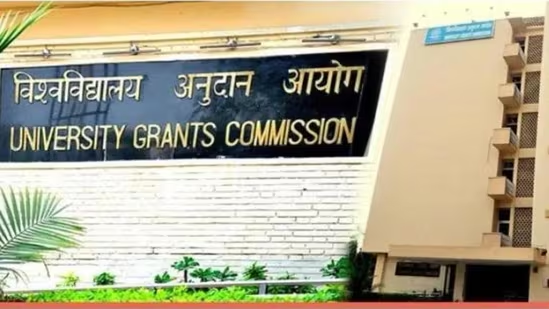
The VBSA Bill, 2025, aims to simplify India’s higher education regulatory system. One of its key proposals is to replace the University Grants Commission (UGC), All India Council for Technical Education (AICTE), and the National Council for Teacher Education (NCTE) with a single overarching body called the Viksit Bharat Shiksha Adhishthan (VBSA).
Instead of multiple regulators handling different responsibilities, the new system proposes separate councils under one umbrella authority to oversee regulation, accreditation, academic standards, and funding. The government says this structure is intended to improve coordination, reduce duplication, and support the implementation of the National Education Policy (NEP) 2020.
Why Was the Review Deferred?
The review meeting was postponed during the ongoing Monsoon Session of Parliament, where several important Bills are already under discussion. According to reports, the Centre chose to delay the committee’s meeting to avoid opening another major debate while Parliament is occupied with other legislative priorities.
The Bill has attracted mixed reactions from education experts, university administrators, state governments, and political parties. While many support the idea of modernising the higher education system, others have suggested changes to ensure greater institutional autonomy and a balanced regulatory framework.
By delaying the meeting, the government has provided additional time for discussions before the committee finalises its recommendations.
Why Is the Bill Important?
If approved, the Higher Education Bill could significantly change how universities and colleges are regulated in India. The proposed reforms aim to make governance more efficient by bringing different regulatory functions under a single institutional framework.
Supporters believe the Bill could:
- Simplify higher education governance.
- Reduce overlapping responsibilities among regulators.
- Improve consistency in academic standards.
- Strengthen the implementation of NEP 2020 reforms.
At the same time, some stakeholders have expressed concerns about the concentration of regulatory powers and the need to safeguard the autonomy of universities and state institutions.
What Does This Mean for Students?
For students, there is no immediate change. Admissions, examinations, degree recognition, and university operations will continue under the existing rules until the Bill is debated and passed by Parliament.
However, the legislation could have a long-term impact on how higher education institutions are governed, how academic standards are maintained, and how universities receive recognition and funding.
Students planning higher education should continue following updates, as any future reforms may influence the overall structure of India’s university system.
What Happens Next?
The Joint Parliamentary Committee is expected to meet again after a revised schedule is announced. Once the committee completes its review, it will submit its report to Parliament for further discussion.
Only after Parliamentary approval and the completion of the legislative process can the proposed reforms become law. Until then, existing regulatory bodies such as the UGC, AICTE, and NCTE will continue to oversee higher education in India.
Looking Ahead
The decision to delay the review of the Higher Education Bill reflects the significance of the proposed reforms and the need for wider consultation. Since the Bill could reshape the governance of universities across the country, policymakers are taking additional time to examine its provisions and consider feedback from stakeholders.
For now, students and educational institutions will continue to operate under the current system while awaiting further developments. The final outcome of the Bill is expected to play an important role in shaping the future of higher education in India.