
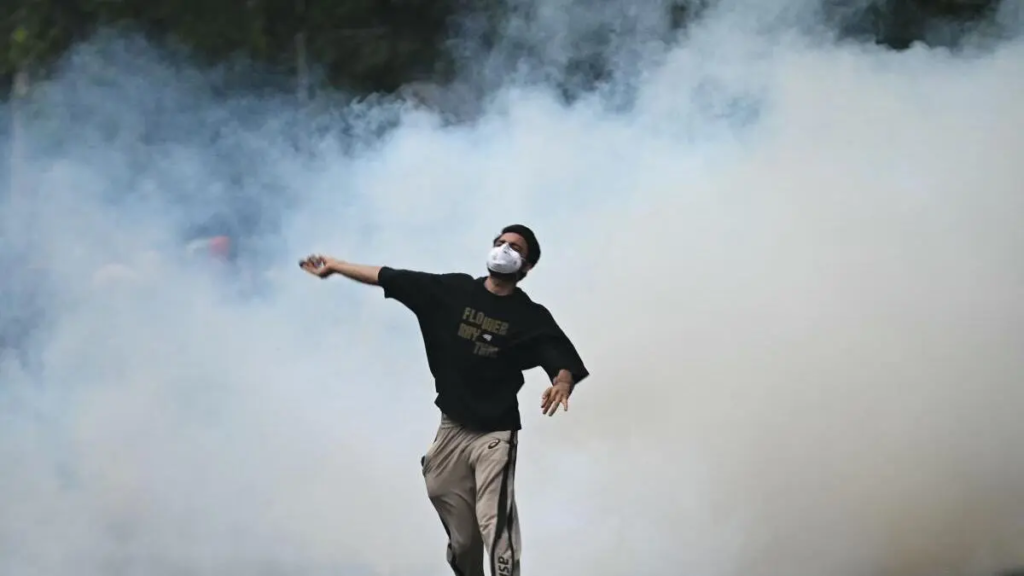
CJP Protest Brings Student Concerns to the National Stage
The recent CJP protest in New Delhi has renewed discussions about the challenges facing India’s education system. Thousands of students and young people gathered to raise concerns over competitive examinations, recruitment delays, and the need for stronger education reforms.
The demonstration, held near Parliament during the Monsoon Session, highlighted growing frustration among students who believe that issues affecting education deserve greater attention from policymakers.
Why Students Are Protesting
Many participants said that repeated controversies surrounding entrance examinations and recruitment processes have affected students’ confidence in the education system.
They called for:
- Fair and transparent examination processes.
- Stronger safeguards against exam irregularities.
- Faster recruitment for government jobs.
- Better implementation of education reforms.
- Greater accountability from institutions responsible for conducting examinations.
Students argued that access to quality education should be matched by a reliable and transparent assessment system.
Education and Employment Are Closely Connected
One of the key themes of the protest was the link between education and employment. Many young people expressed concern that delays in examinations and recruitment can affect career opportunities and create uncertainty for graduates.
Education experts have often pointed out that timely examinations, transparent evaluation, and efficient recruitment systems are essential for maintaining students’ trust in educational institutions.
As competition for higher education and jobs continues to grow, students believe that reforms should focus not only on improving learning but also on ensuring that academic achievements translate into career opportunities.
A Growing Demand for Education Reforms
The protest also reflected a wider demand for long-term improvements in India’s education system.
Participants urged authorities to strengthen examination security, improve institutional accountability, and make education policies more responsive to students’ needs. They also called for greater dialogue between policymakers, universities, and student communities.
Many believe that involving students in discussions about education policy can lead to more practical and inclusive reforms.
Government Response
Authorities maintained heavy security during the demonstration to manage the gathering and maintain public order. Representatives of the protest submitted their concerns to government officials, seeking action on issues related to education and youth welfare.
While no immediate policy announcements were made, the protest has intensified public discussion about the future of education reforms and examination governance in India.
What This Means for Students
The CJP protest reflects the increasing role of students in shaping conversations around education policy. It highlights concerns about examination integrity, equal opportunities, and the need for reforms that support both academic success and career development.
As discussions continue, students and educators alike will be looking for concrete steps that strengthen confidence in India’s education system. Whether through improved examination processes, better institutional accountability, or broader policy reforms, the issues raised during the protest are likely to remain central to the national education debate.