
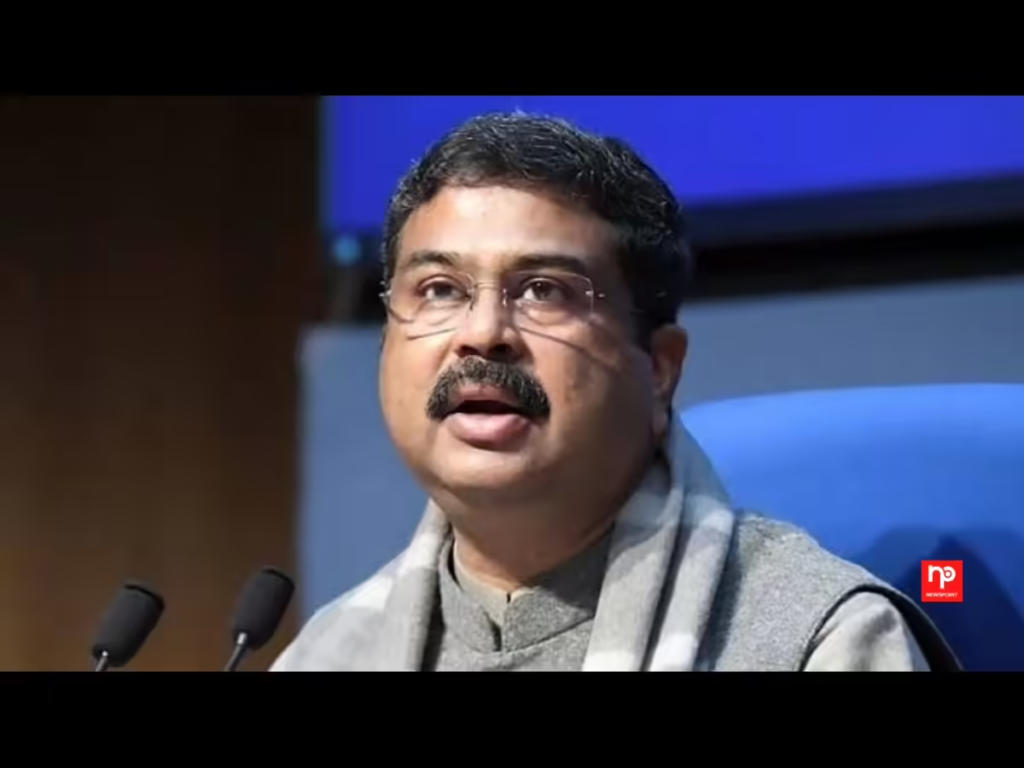
Education Minister Steps Down After NEET-UG Row
Union Education Minister Dharmendra Pradhan resigned on July 25, amid mounting pressure over the NEET-UG 2026 paper leak controversy. The resignation follows weeks of nationwide student protests, political criticism, and calls for accountability over alleged irregularities in one of India’s largest medical entrance examinations.
The development marks one of the biggest political responses to the ongoing controversy, with the government expected to continue reforms aimed at strengthening the country’s examination system.
Resignation Comes After Weeks of Student Protests
The resignation comes after sustained demonstrations by students and youth organisations across the country. Protesters demanded greater transparency in national entrance examinations and stricter action against those responsible for alleged paper leaks.
Many students argued that repeated controversies surrounding competitive exams had affected the credibility of the examination process and increased uncertainty for millions of aspirants preparing for higher education.
Government Continues Examination Reforms
Despite the change in leadership, the government has indicated that reforms within the National Testing Agency (NTA) will continue. Recent measures include organisational restructuring, disciplinary action against officials, and the recruitment of experienced professionals to improve examination security and administration.
Officials have stated that these initiatives are designed to enhance transparency, strengthen digital security, and restore confidence in national entrance examinations.
Students Demand Greater Accountability
The NEET-UG controversy has grown into a wider discussion about examination governance and student welfare. Throughout the protests, students have consistently called for:
- Transparent examination processes.
- Stronger safeguards against paper leaks.
- Accountability for agencies conducting national examinations.
- Timely implementation of education reforms.
The protests also sparked discussions about the need for long-term improvements in India’s examination system to ensure fairness and equal opportunities for all candidates.
What the Resignation Means for Aspirants
For students preparing for upcoming entrance examinations, the resignation does not affect the current admission process or examination schedule. However, it signals that the concerns raised by students have led to significant administrative and political action.
Education experts believe the government’s immediate priority will be to strengthen institutional systems, improve examination management, and rebuild public confidence in competitive exams.
Students are advised to continue following official announcements from the Ministry of Education and the NTA for updates regarding examinations and future policy changes.
What’s Next for India’s Education System?
Dharmendra Pradhan’s resignation represents a significant moment in India’s education sector, but many believe lasting improvements will depend on effective institutional reforms rather than leadership changes alone.
With examination integrity now under greater public scrutiny, policymakers are expected to focus on implementing stronger security measures, improving governance within the NTA, and ensuring that future entrance examinations are conducted fairly and transparently.
As reforms move forward, students, educators, and institutions will closely monitor how these changes shape the future of India’s examination system.