
Assistant Professor Claims Protest Led to His Termination
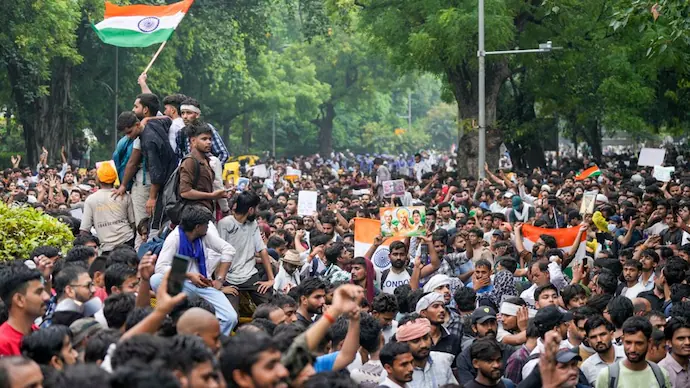
A commerce assistant professor at a private college in Bareilly, Uttar Pradesh, has alleged that he was dismissed from his job after attending the recent Jantar Mantar protest in New Delhi. According to the professor, he was informed about the termination shortly after returning from the demonstration, which focused on education-related concerns and examination reforms.
The incident has sparked discussions about academic freedom, the rights of educators to participate in public demonstrations, and the limits of institutional disciplinary action.
College Rejects the Professor’s Allegation
The college administration has denied that the dismissal was solely linked to the professor’s participation in the protest. According to the management, the decision followed earlier complaints regarding his conduct and performance. The institution also stated that it does not permit staff members to engage in activities that could affect the college’s reputation or involve political participation while associated with the institution.
The differing accounts have created a dispute over the actual reasons behind the termination, with no official investigation announced so far.
Debate Over Academic Freedom
The case has renewed conversations about the role of educators in public life. While teachers, like other citizens, have constitutional rights, educational institutions often maintain service rules that regulate employee conduct and public activities.
Legal experts note that employment disputes involving disciplinary action generally depend on institutional policies, employment contracts, and whether due process has been followed. Any challenge to such decisions may ultimately be decided through appropriate legal or labour mechanisms.
Protests Continue to Influence the Education Sector
The Jantar Mantar demonstrations, initially organised over concerns related to national entrance examinations, have led to several developments across the education sector. In recent weeks, universities issued advisories to students, government agencies announced examination reforms, and policymakers debated measures to strengthen transparency and accountability in competitive examinations.
The latest dispute involving the Bareilly professor shows that the impact of the protests continues to extend beyond students, raising broader questions about institutional governance and freedom of expression within educational spaces.
What Happens Next?
Whether the professor’s dismissal was linked to his participation in the protest or resulted from unrelated disciplinary issues may depend on future legal or administrative proceedings. Until then, the incident remains part of a wider national discussion on balancing institutional discipline with individual rights in the education sector.