
Bengaluru’s Indian Institute of Tropical Meteorology (IITM) has forecast a severe air pollution crisis across North India during Diwali 2025. Using the SAFAR model, IITM predicts dangerous PM2.5 and PM10 spikes in Delhi, Lucknow, Kanpur, and Patna. The rise is linked to firecracker use, stubble burning, and weather conditions that trap pollutants close to the ground, raising health and economic concerns nationwide.
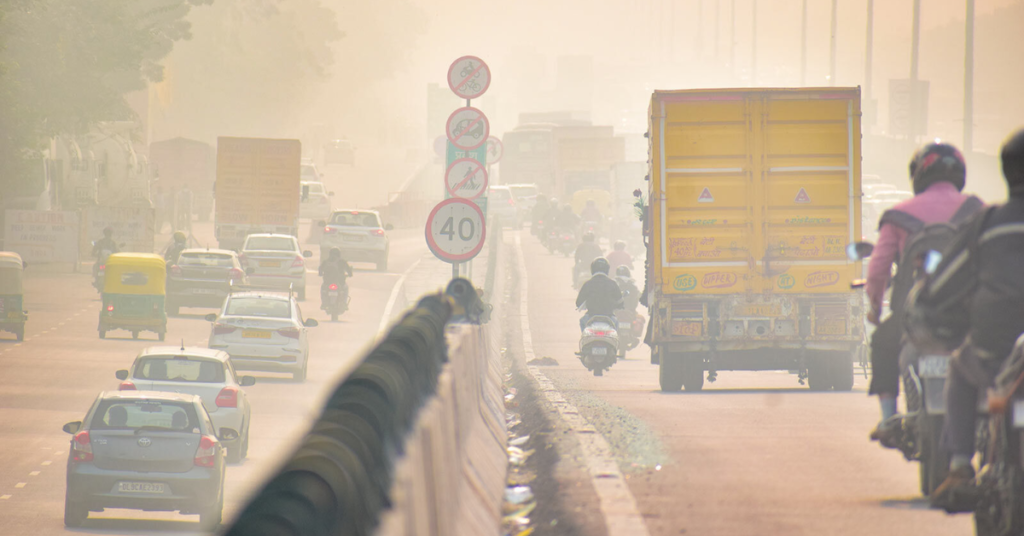
The Indian Institute of Tropical Meteorology (IITM), Bengaluru, has issued a critical forecast predicting a sharp surge in air pollution levels across northern and central Indian cities during the upcoming Diwali period. According to projections under the System of Air Quality and Weather Forecasting and Research (SAFAR) framework, concentrations of PM2.5 and PM10 are expected to reach “severe” levels in Delhi, Lucknow, Kanpur, Patna, and Chandigarh.
Experts warn that the combination of firecracker emissions, stubble burning, and adverse weather conditions may push the Air Quality Index (AQI) into dangerous territory for several consecutive days.
Causes: Firecrackers, Stubble Burning, and Weather Patterns
The post-monsoon period consistently witnesses an alarming drop in air quality across North India. IITM’s Bengaluru-based scientists note that this year, three pollution sources are converging:
- Firecrackers: Diwali festivities release short-lived yet intense spikes of PM2.5.
- Stubble Burning: Residue burning in Punjab, Haryana, and parts of Uttar Pradesh adds nearly 40% of Delhi’s PM2.5 load.
- Weather: Low wind speeds, cooler nights, and temperature inversion trap pollutants close to the surface, turning skies into a dense gray haze.
With these combined factors, experts predict several days of “very poor” to “severe” AQI levels, endangering millions across the Indo-Gangetic Plain.
Health and Economic Consequences
The environmental cost extends beyond the air. Medical professionals warn that pollution spikes during Diwali directly trigger respiratory illnesses, asthma, bronchitis, and cardiac issues. Children, the elderly, and those with pre-existing conditions are most vulnerable.
Economically, India faces staggering losses. Studies indicate annual damages exceeding USD 30 billion from pollution-related health costs and reduced productivity. Prolonged smog events also disrupt tourism, construction, and outdoor labor sectors, and repeatedly force school closures in cities like Delhi and Lucknow.
⚙️ Policy and Mitigation Measures
To address the crisis, the Commission for Air Quality Management (CAQM) has activated the Graded Response Action Plan (GRAP), which includes restrictions on industrial operations, vehicular emissions, and construction activity. Several states have already banned traditional firecrackers and are promoting eco-friendly “green crackers.”
Bengaluru-based IITM researchers emphasize the need for science-backed interventions and regional coordination. Delhi and Punjab governments have begun implementing Pusa bio-decomposer sprays and mechanized stubble management. However, experts caution that inconsistent enforcement continues to undermine progress.
Long-Term Path: From Crisis to Reform
Environmentalists argue that recurring winter smog cannot be solved through short-term bans. The IITM recommends:
- Strengthening urban air governance and interstate collaboration.
- Investing in cleaner fuels, electric mobility, and crop waste recycling.
- Encouraging public participation through awareness campaigns and citizen-led monitoring.
“India’s pollution battle isn’t seasonal,” said an IITM Bengaluru researcher. “It’s systemic. Unless behavior and policy evolve together, Diwali will keep becoming a health emergency.”
Conclusion
The IITM’s Bengaluru forecast serves as a timely warning, urging citizens and policymakers to treat air pollution not as a festival-time nuisance but a national health emergency.
The data-driven predictions underscore one fact: only sustained action across India’s cities can clear the skies and protect the generations breathing beneath them.
Beyond enforcement and regulation, the fight against pollution also demands public ownership and civic responsibility. Simple choices avoiding firecrackers, carpooling, using public transport, or adopting cleaner energy at home, can collectively make a measurable difference. As Bengaluru leads the scientific and policy dialogue on environmental resilience, the rest of India must follow suit, turning awareness into action and short-term response into long-term reform.
Also Read: https://thenewstudent.com/masters-union-launches-pgp-bharat/
https://educationpost.in/news/education/current-affairs/international-relations/case-background-flight-and-legal-proceedings-abroad