
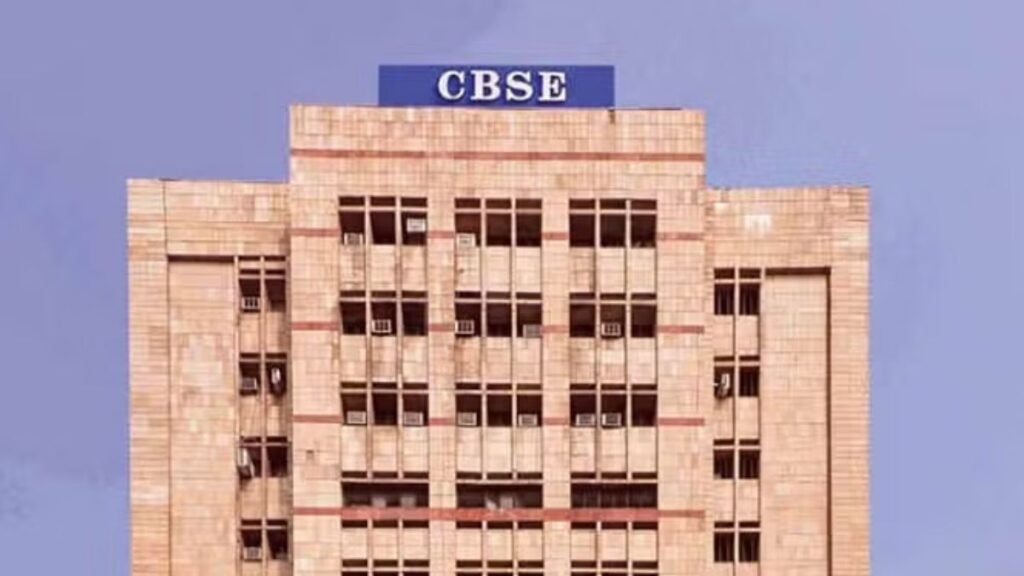
In a move that reflects India’s growing digital-first approach to education, the Central Board of Secondary Education (CBSE) has officially discontinued the issuance of physical migration certificates for Class X and XII students. From now on, these essential documents will be available only through DigiLocker, a secure cloud-based platform operated by the Government of India.
This change, effective immediately, marks a major shift in how students will access and manage their academic records — one that aims to make documentation faster, safer, and more environmentally sustainable.
The Shift to Digital: What’s Changing?
Earlier, students received hard copies of their migration certificates from their respective schools after results were declared. These documents were required when a student shifted from one educational board to another — for instance, from CBSE to a state board or a university system.
Now, with the new digital model, all such certificates will be automatically uploaded to the student’s DigiLocker account, which is linked to their Aadhaar and mobile number. Students can log in at https://www.digilocker.gov.in and access their certificates anytime, anywhere.
According to CBSE, this transition is part of a broader initiative to digitize academic records and reduce dependency on paper-based processes. The Board has already been uploading mark sheets, passing certificates, and skill certificates to DigiLocker since 2019. Migration certificates were the final piece of the puzzle.
Why This Matters: More Than Just Paperless Convenience
While the decision may seem like a routine administrative update, its implications are far-reaching:
- Faster Access and Verification
Students will no longer need to wait for their schools to issue migration certificates physically. Universities, employers, and foreign institutions can verify documents instantly using the DigiLocker QR code or digital signature verification feature. - Environmental Impact
By eliminating the printing and transport of lakhs of certificates each year, CBSE is reducing its carbon footprint. This aligns with the government’s broader Digital India and Green India initiatives. - Reduced Risk of Loss or Damage
Physical certificates are prone to loss, damage, or forgery. A digital record stored in DigiLocker is tamper-proof and accessible even years later — a big relief for students applying abroad or for government jobs. - Ease for Students in Rural or Remote Areas
Students from remote locations, where courier services are inconsistent, will now have equal access to their documents without delays.
Students React: Between Relief and Adjustment
For many students, the announcement brought both relief and a few concerns.
Ananya Sharma, a Class XII graduate from Delhi, shared, “When I lost my original mark sheet a few years ago, the process to get a duplicate was so long. Having everything online now is such a relief. But I hope all colleges accept DigiLocker copies without asking for printouts.”
Meanwhile, some parents expressed the need for awareness. “We welcome this digital step, but CBSE should make sure students and schools understand how to access DigiLocker properly,” said Rajesh Gupta, a parent from Lucknow.
Teachers also emphasized the need for digital literacy sessions in schools, ensuring that every student knows how to retrieve and share their certificates.
What Schools Need to Do
CBSE has instructed schools to guide students through the DigiLocker registration process and ensure their mobile numbers and Aadhaar details are correctly linked. Schools will also need to update their internal records to reflect the digital issuance process.
In case of errors in the digital document, CBSE will allow students to raise corrections online through their school’s portal.
The Broader Vision: A Digital Academic Ecosystem
This step isn’t just about convenience — it’s about building a national academic ecosystem where every document, from mark sheets to degrees, can be accessed in seconds. The National Academic Depository (NAD) and DigiLocker are at the heart of this vision, integrating universities, boards, and other institutions into one secure system.
India’s education landscape has been steadily embracing digital transformation — from online exams and results to AI-based evaluation systems. The paperless migration certificate policy shows how technology can reduce bureaucracy, empower students, and build trust through verified credentials.
Looking Ahead
For over 2 crore students who appear for CBSE exams annually, this move represents a long-awaited modernization. However, success will depend on accessibility — particularly for those in areas with limited internet connectivity or awareness about DigiLocker.
If implemented with adequate support and training, this could be a model for other education boards across India.
As one teacher aptly summarized:
“Digital records are the future. The challenge isn’t technology — it’s making sure no student is left behind because of it.”
Also Read:
- No eligible student in state will be left without scholarship: CM Yogi
- More students use AI like ChatGPT to choose study destinations and programmes
- Gujarat to get 250 additional PG medical seats
https://thenewstudent.com/wp-admin/post.php?post=4144&action=edit