
Five years after a major nursing recruitment drive was announced in Uttarakhand, thousands of young graduates are still waiting for a single exam that could decide their future. For many, the delay has meant more than just postponed employment—it has reshaped careers, strained finances, and tested patience in ways they never imagined.
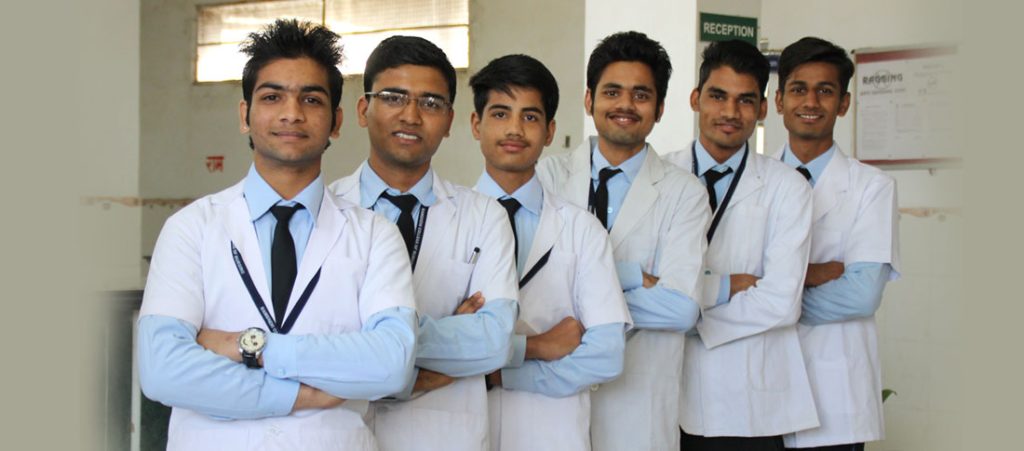
Five years later, the exam has still not been conducted.
The recruitment process for nursing officers, announced in 2020, was meant to fill around 3,000 government posts. At the time, it brought hope to a generation of nursing graduates who had seen little to no large-scale recruitment in over a decade. Thousands applied, invested time and money in preparation, and put other career plans on hold.
A Generation Caught Between Preparation and Uncertainty
For nursing graduates, government service represents stability, professional dignity, and long-term security. Many candidates completed their diplomas or degrees years ago, expecting the recruitment process to move forward within a reasonable timeframe. Instead, they now find themselves stuck in a prolonged waiting period, unsure whether to continue preparing or move on.
Several aspirants say the lack of clarity has been the most damaging aspect. There has been no fixed timeline, no formal closure, and no definitive explanation that offers reassurance. Each passing year feels like another missed opportunity.
Some candidates have crossed age limits for other government exams. Others have taken up contractual or private-sector nursing jobs, often with lower pay, longer hours, and little job security. While these roles provide temporary income, they do not offer the benefits or professional growth associated with government positions.
For many, the emotional toll has been as heavy as the professional setback.
The Human Cost of Delayed Recruitment
Behind the statistics are real lives placed on pause. Aspirants speak of postponing higher studies, delaying marriage, and remaining financially dependent on families longer than expected. Years spent preparing for an exam that never arrives can erode confidence and motivation.
The uncertainty has also created a sense of injustice. Candidates point out that they followed every rule, met eligibility criteria, and trusted official announcements. The absence of follow-through has made them feel invisible within the system they hoped to serve.
“We prepared honestly and waited patiently,” one aspirant said. “But patience doesn’t pay rent or build a future.”
Healthcare Needs vs Administrative Delays
The prolonged delay raises broader questions about workforce planning in public healthcare. Nursing professionals are a critical backbone of any health system, particularly in a state with challenging geography and limited medical infrastructure in remote areas.
Aspirants argue that unfilled nursing posts directly affect patient care, hospital efficiency, and emergency preparedness. At a time when healthcare systems across the country are under pressure, the continued vacancy of trained professionals appears counterproductive.
Experts warn that long recruitment delays can lead to skill erosion. Nursing is a practice-based profession, and extended gaps between training and stable employment can reduce confidence and competence. In some cases, graduates may leave the profession altogether or migrate to other states, resulting in a loss of locally trained talent.
A Trust Deficit Among Young Professionals
While the state government has highlighted broader achievements in job creation, nursing aspirants say their experience tells a different story. The gap between policy announcements and implementation has created a trust deficit, particularly among young professionals.
For Generation Z, career planning already feels uncertain amid changing exam patterns, contractual hiring, and shifting eligibility norms. Prolonged recruitment delays add another layer of anxiety, reinforcing the belief that timelines are unpredictable and merit alone may not be enough.
Education and employment analysts note that such experiences can discourage youth from public service altogether. When processes stretch across half a decade without resolution, confidence in institutional systems weakens.
Why This Issue Matters Beyond Uttarakhand
The nursing recruitment delay is not just a state-specific problem. It reflects a larger national challenge around timely hiring, transparent processes, and accountability in public-sector employment.
Healthcare delivery depends not only on infrastructure and policy, but on motivated professionals who feel valued and supported. When qualified nurses remain unemployed or underemployed for years, it affects both workforce morale and public health outcomes.
The situation also highlights the need for better communication. Even when legal or procedural hurdles exist, aspirants say regular updates and clear timelines could help reduce anxiety and speculation.
What the Aspirants Are Asking For
The demands of nursing candidates are simple and consistent:
- A clear timeline for the recruitment exam
- Transparency in the selection process
- Fair consideration for those who have waited the longest
- Assurance that age or eligibility will not unfairly disqualify them due to delays
More than 4,500 aspirants continue to seek a resolution, not through confrontation, but through persistence and appeals for administrative action.
Waiting for a Decision That Shapes Futures
As Uttarakhand moves forward with new development initiatives and policy announcements, thousands of nursing graduates remain in limbo—caught between years of preparation and an uncertain future.
For them, the issue is not just about a job exam. It is about dignity, trust, and the belief that effort will eventually be rewarded. Until the recruitment process moves forward, that belief remains under strain.
Their message is straightforward: they are not asking for shortcuts—only for the chance they were promised.
Also Read: https://scoonews.com/news/how-to-build-better-parent-teacher-communication/
https://thenewstudent.com/wp-admin/post.php?post=4302&action=edit