
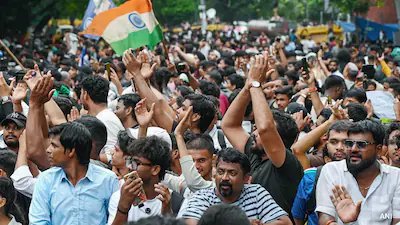
The CJP protest held on July 20 has once again brought education to the centre of national discussions. Thousands of students, educators, and supporters gathered in New Delhi to demand reforms in the education system, highlighting concerns over examination transparency, recruitment processes, and equal opportunities for students.
The protest coincided with the beginning of the Parliament’s Monsoon Session, drawing significant public and media attention. While the demonstration also addressed broader governance issues, education remained one of its key themes, with participants urging policymakers to prioritise reforms that directly impact students.
Why Was the Protest Held?
The CJP organised the protest to raise concerns about the current state of India’s education system. Protesters argued that students deserve a fair, transparent, and accountable examination process, especially as competitive exams play a major role in determining admissions and career opportunities.
Many participants also expressed concerns about repeated controversies surrounding entrance examinations and recruitment tests. They called for stronger measures to prevent irregularities and ensure that students are evaluated through a reliable and credible system.
According to the organisers, the aim of the protest was to ensure that student issues receive greater attention from policymakers and lead to meaningful reforms.
Education at the Centre of the Discussion
One of the strongest messages from the protest was the need to strengthen India’s education system. Students emphasised that education should remain a national priority, with reforms focused on fairness, accessibility, and quality.
Among the key demands raised were:
- Greater transparency in national entrance and recruitment examinations.
- Stronger safeguards against paper leaks and examination irregularities.
- Improved accountability among agencies conducting competitive exams.
- Better implementation of education policies that benefit students.
- Equal opportunities for students from all regions and backgrounds.
Participants argued that these changes would help restore confidence in the examination system and create a more student-friendly learning environment.
Heavy Security During the Demonstration
As protesters attempted to march towards Parliament from Jantar Mantar, Delhi Police deployed heavy security across central Delhi. Barricades were placed at several locations, and access to restricted areas was closely monitored.
The situation became tense when some protesters attempted to move beyond the designated protest area. Police intervened to stop the march, leading to clashes in certain locations. Authorities stated that security arrangements were necessary to maintain law and order during the demonstration.
Why Education Reforms Matter
Competitive examinations determine admissions to colleges, universities, and professional courses for millions of students every year. Because of their importance, students believe the examination process must be transparent, fair, and free from irregularities.
Education experts have also stressed that strengthening examination systems is essential for maintaining public trust. Reliable assessments ensure that admissions and recruitment are based on merit while protecting students’ interests.
The protest has therefore reignited conversations about improving governance, accountability, and transparency in India’s education sector.
What Happens Next?
Following the demonstration, representatives of the protest submitted their demands to government officials, seeking action on education-related concerns. While no immediate policy announcements have been made, the issues raised during the protest are expected to remain part of the broader discussion on education reforms.
Students and education experts will be watching closely to see whether the concerns raised lead to concrete policy measures aimed at strengthening examination systems and improving educational opportunities.
What This Means for Students
The CJP protest highlights the growing involvement of students in discussions about education policy. It reflects increasing demand for an education system that is transparent, accountable, and focused on student welfare.
As India continues to reform its education sector, the voices of students are likely to play an important role in shaping future policies. The events of July 20 serve as a reminder that quality education depends not only on good institutions but also on fair systems, transparent examinations, and equal opportunities for every learner.