
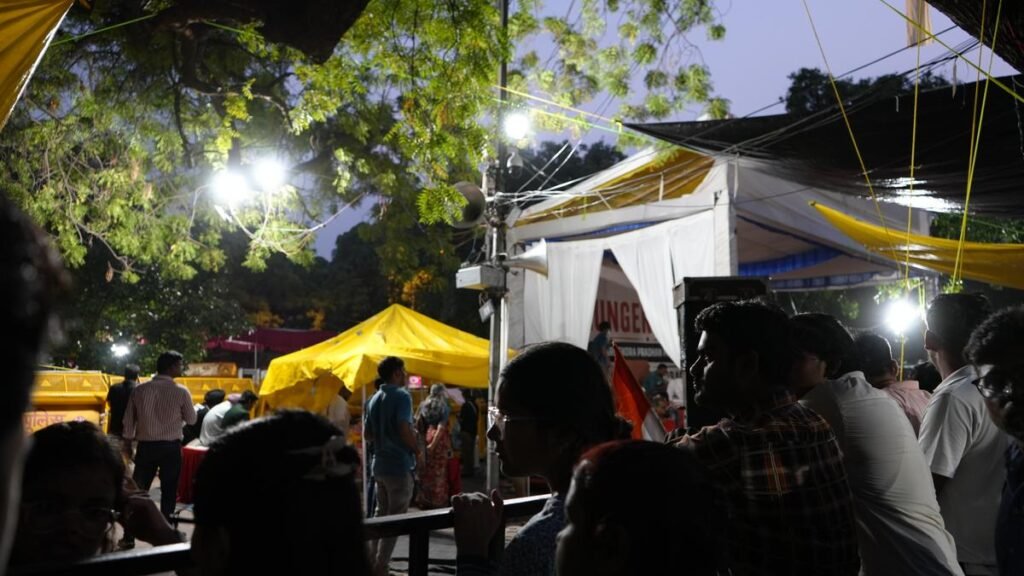
The Jantar Mantar protest has drawn national attention not only for its social and political significance but also for the conversations it has sparked around education. Students, educators, and activists gathered at Delhi’s Jantar Mantar to voice concerns about issues that directly affect young people, including access to quality education, educational infrastructure, and equal learning opportunities.
For many participants, education was a central part of the discussion. They argued that meaningful development is only possible when students across all regions have access to quality schools, colleges, and learning resources. The protest also highlighted the importance of ensuring that education policies address regional challenges and promote equal opportunities for every learner.
Why Has Education Become a Key Issue?
Education remains one of the strongest tools for social and economic development. Protesters emphasised that students should not face barriers to learning because of where they live or the availability of educational facilities.
Many participants called for greater investment in schools, improved infrastructure, better access to higher education, and policies that support students from underserved communities. They stressed that educational reforms should focus not only on academic performance but also on creating an inclusive and accessible learning environment.
Students Raise Their Voices
The Jantar Mantar protest also reflected the growing role of students in public discussions on education. Young people participated to express their concerns about the future of education and to encourage policymakers to listen to student perspectives.
Many students believe that those directly affected by education policies should have a greater voice in shaping them. Peaceful demonstrations like this provide an opportunity for students to raise awareness about issues that influence their academic and professional futures.
The Importance of Equal Educational Opportunities
One of the major themes highlighted during the protest was the need for equal access to education.
Participants pointed out that students in different regions often experience unequal access to quality schools, experienced teachers, digital learning resources, and higher education opportunities. Addressing these gaps, they argued, is essential for creating a more inclusive education system.
Experts have long maintained that improving educational access helps strengthen communities, increases employment opportunities, and supports long-term national development.
Education Beyond the Classroom
The protest also demonstrated that education extends beyond textbooks and examinations. Civic participation, public dialogue, and awareness of social issues are valuable learning experiences that encourage students to think critically and engage responsibly with society.
Educational institutions increasingly recognise the importance of developing informed citizens alongside academic excellence. Events like the Jantar Mantar protest highlight how students are becoming more actively involved in discussions about policies that shape their future.
The Need for Constructive Dialogue
Education experts believe that lasting reforms require collaboration between students, educators, policymakers, and communities.
Open discussions can help identify challenges in the education system while ensuring that policies reflect the needs of learners. Constructive dialogue also encourages transparency and helps build trust between stakeholders.
Many participants at the protest expressed hope that continued conversations would lead to meaningful improvements in educational access and opportunities.
What This Means for Education
The Jantar Mantar protest has reinforced the importance of keeping education at the centre of public policy discussions. While the event covered a range of issues, it also highlighted the aspirations of students seeking better learning opportunities and a more inclusive education system.
As India continues to implement educational reforms, listening to student voices and addressing regional disparities will remain important steps towards building a stronger and more equitable education system. The protest serves as a reminder that education is not just about classrooms, it is also about ensuring that every student has the opportunity to learn, grow, and contribute to society.