
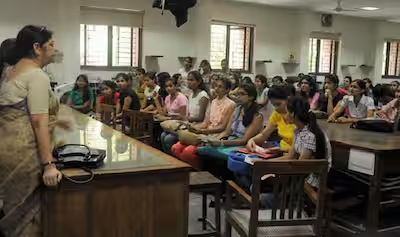
Over 1 Lakh Schools Continue to Function with Just One Teacher
More than one lakh schools across India are currently operating with only a single teacher, highlighting a major challenge for the country’s school education system. The latest government data has renewed concerns about teacher shortages, unequal access to quality education, and the impact of limited staff on students’ learning experience.
Single-teacher schools are primarily found in rural, remote, and geographically difficult regions where recruiting and retaining qualified teachers continues to be a challenge. Education experts say the issue affects both classroom teaching and the overall functioning of schools.
Teacher Shortage Remains a Key Challenge
In schools with only one teacher, the same educator is often responsible for teaching multiple grades and subjects while also managing administrative duties. This can make it difficult to provide individual attention to students or maintain consistent learning outcomes across different classes.
Experts believe that while enrolment in schools has improved over the years, teacher recruitment has not always kept pace with demand. Vacant teaching posts, delays in recruitment, and transfers have contributed to the continued existence of single-teacher schools in several states.
Impact on Students and Learning
The shortage of teachers can significantly affect classroom learning, especially in primary schools where students require continuous guidance during their foundational years. Multi-grade teaching often forces teachers to divide their time between different classes, reducing opportunities for interactive learning and personalised support.
Apart from academics, a single teacher is also expected to manage school records, government reporting, examinations, and various administrative responsibilities. These additional duties further reduce the time available for classroom instruction.
Education specialists warn that long-term teacher shortages may widen learning gaps, particularly among students in rural and underserved communities.
Government Focus on Strengthening School Education
The issue has once again brought attention to the need for strengthening India’s public education system. Governments at both the Centre and state levels have introduced measures to improve teacher recruitment, upgrade school infrastructure, and enhance learning outcomes through various education programmes.
Officials have stated that efforts are being made to fill vacant teaching positions and ensure better teacher availability, particularly in rural and remote areas. Digital learning initiatives and teacher training programmes are also being expanded to support classroom education.
Experts Call for Long-Term Solutions
Education experts believe that addressing the shortage requires more than periodic recruitment drives. They recommend long-term workforce planning, faster appointment processes, better incentives for teachers serving in remote locations, and continuous professional development.
Many also stress the importance of improving infrastructure, providing adequate teaching resources, and ensuring that schools have sufficient staff to meet the needs of growing student populations.
Why the Issue Matters
Teachers play a central role in shaping children’s academic and personal development. When schools operate with only one teacher, maintaining the quality of education becomes increasingly difficult, especially in communities where schools serve as the primary source of learning.
Ensuring that every school has an adequate number of qualified teachers is considered essential for achieving the goals of the National Education Policy (NEP) 2020 and improving educational equity across the country.
Looking Ahead
The presence of more than one lakh single-teacher schools highlights the continuing need for investment in India’s education system. While efforts to strengthen school infrastructure and recruitment are ongoing, experts believe that sustained policy action will be necessary to ensure that every child has access to quality education supported by sufficient teaching staff.
As governments continue working to improve educational outcomes, addressing teacher shortages is expected to remain one of the sector’s highest priorities.